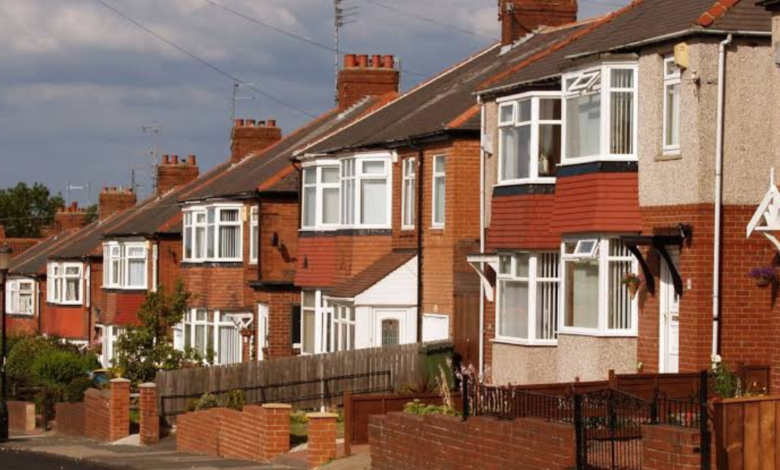
A semi-detached house is a residential property that is joined to one neighbouring home by a shared wall. Unlike a detached house, which stands independently, this type of property has one connected side and one exposed side. Each home normally has its own entrance, rooms, garden and utilities, although exact arrangements can vary. This familiar housing style is particularly common across the UK, from traditional suburbs to newer residential developments.
The main appeal comes from its balance between independence and affordability. A semi-detached home can provide several bedrooms, private outdoor space, parking and comfortable living areas without the higher purchase price that a similar detached property may command. For families, couples and first-time buyers, this combination can make the property type an attractive choice. The exact value and suitability will always depend on location, condition, size and local demand.
Key Features of Semi-detached Properties
One of the most important characteristics is the party wall separating the two properties. This shared wall forms part of the structure and creates a clear division between neighbouring homes. The quality of construction and insulation can influence how much sound travels between properties, particularly in older houses. Buyers should therefore consider the condition of the wall and the general construction when viewing a property, especially if quiet living is important.
Many homes also feature a front garden, rear garden, driveway or garage, although these facilities are not guaranteed. Interior layouts can range from compact two-bedroom homes to spacious four-bedroom family properties. Older buildings may contain separate reception rooms, high ceilings and traditional architectural details, while newer developments often feature open-plan kitchens, modern insulation and energy-efficient systems. This variety means buyers can usually find options suited to different lifestyles and budgets.
Why Are Semi-detached Houses Popular in the UK?
The popularity of this housing style is closely linked to its ability to offer useful living space at a potentially more accessible price than a detached home. Buyers may receive multiple bedrooms, a garden and private parking while avoiding the full premium associated with having a completely independent building. This can be particularly appealing in areas where land is expensive and housing demand remains strong. The property type therefore occupies an important position in the UK market.
Another reason for its popularity is versatility. A suitable home can work for a young couple, a growing family or someone who wants additional space for working from home. Gardens can provide room for entertaining, children or hobbies, while garages and driveways can offer practical storage and parking. Established neighbourhoods containing these properties are also often close to schools, shops, parks and transport links, making them convenient for everyday life.
Advantages of Buying a Semi-detached House

One of the biggest benefits is the balance between space and cost. A well-designed home can provide a generous kitchen, comfortable reception areas, several bedrooms and private outdoor space without reaching the price of many detached properties in the same area. The single shared wall also means there is generally more separation from neighbours than in a mid-terraced house. For buyers seeking a practical family property, this combination can be highly appealing.
There can also be considerable potential for personalisation. Depending on the layout and local regulations, owners may be able to improve kitchens, remodel bathrooms, convert loft spaces or add extensions. These changes can make the property more suitable for changing family requirements. However, potential should always be assessed realistically, because planning permission, permitted development rules, building regulations and party-wall requirements can affect what is possible and how much improvements will cost.
Disadvantages to Consider
The shared wall is the most obvious drawback for people who prioritise maximum privacy. Depending on the building’s age, materials and insulation, everyday sounds from the neighbouring property may sometimes be noticeable. Noise can vary greatly between individual homes, so prospective buyers should avoid making assumptions based solely on the property’s age or appearance. Visiting at different times and paying attention to surrounding activity can provide a more realistic impression of the living environment.
Neighbour-related issues can also arise around boundaries, gardens, parking, extensions or maintenance. Although the properties are separately owned, certain work can affect both homes and may require communication or formal agreements. Compared with detached properties, there can also be fewer opportunities for side access, larger gardens or unrestricted alterations. These limitations do not necessarily outweigh the benefits, but they are important considerations when comparing properties and deciding whether a particular home meets your needs.
Semi-detached vs Detached and Terraced Houses
A detached property normally stands separately from neighbouring homes, with no shared residential walls. This can provide greater privacy, more flexibility around external areas and potentially more space, but those benefits often come with a higher purchase price and greater maintenance responsibilities. A semi-detached house sits between the two common alternatives, offering one shared wall while still providing its own entrance, outdoor areas and internal accommodation. For many buyers, this represents a sensible compromise.
Terraced properties usually share walls with neighbouring houses on both sides, although an end-terrace property has one exposed side. This can make a semi-detached home attractive to buyers who want fewer shared walls without paying the full cost of a detached property. Ultimately, there is no universally superior house type. Buyers should consider price, location, floor area, garden size, privacy, parking, maintenance requirements and potential future improvements before making a decision.
What to Check Before Buying
A thorough property inspection should cover the roof, walls, windows, doors, heating system, electrics, plumbing and signs of damp. Particular attention should be paid to cracks, structural movement and areas around previous extensions. The condition of the party wall can also be relevant, especially where alterations have been carried out. A professional home survey can identify defects that may not be visible during a normal viewing and can help buyers understand possible repair requirements.
Legal and practical checks are equally important. Buyers should establish the precise property boundaries, understand parking arrangements and review any available information about previous extensions or conversions. Planning permissions, building regulation certificates and party-wall matters may need to be investigated before purchasing. It is also sensible to consider the property’s Energy Performance Certificate, local flood risk, nearby development proposals, transport links and general neighbourhood conditions before committing to an offer.
Semi-detached Houses in Popular UK Locations
Property markets can differ substantially from one part of the UK to another. Someone searching for a 3 bed semi-detached house for sale in Chelmsford may encounter family homes in established suburban areas, newer developments and properties designed for commuters. Prices and availability can change according to proximity to railway stations, schools, shopping areas, green spaces and major roads. Buyers should compare several current properties rather than judging the market from one listing.
Searches such as Milton Keynes semi-detached house to buy, semi-detached house to buy in Gloucester and semi-detached house in Worcester can also reveal different types of homes and price ranges. Milton Keynes has a distinctive planned layout with varied residential neighbourhoods, while Gloucester and Worcester contain a mixture of traditional and modern housing. In every location, buyers should examine property condition, local amenities, transport options, council information and comparable asking prices before deciding which home offers the strongest overall value.
Extending and Improving a Semi-detached House
Many owners consider improvements because an existing home may have more potential than its current layout suggests. Common projects include rear extensions, side-return extensions, loft conversions, garage conversions, kitchen renovations and garden improvements. Such work can create additional living space and make a property better suited to modern lifestyles. However, the available space and legal restrictions can vary considerably, so owners should investigate the property carefully before designing a major project.
Planning permission is not required for every alteration, as some projects may fall under permitted development rights, but this should never be assumed. Building regulations can apply even when planning permission is unnecessary, and work affecting a shared wall may involve party-wall procedures. Conservation areas and other local restrictions can also influence what can be changed. Speaking with the relevant local authority and qualified professionals before construction can help prevent expensive problems later.
Is a Semi-detached House a Good Investment?
A property’s investment potential depends on much more than whether it is detached, terraced or semi-detached. Location, employment opportunities, transport connections, schools, local amenities, property condition and buyer demand can all influence future value. A well-maintained home in a desirable area may attract strong interest, while a property requiring extensive repairs in a weaker market could present greater financial challenges. Buyers should therefore assess the whole property and its surroundings rather than relying on its house type.
Rental potential can also vary considerably between locations and property sizes. A three-bedroom family home near schools, transport links and employment centres may appeal to tenants, while other properties may suit different rental markets. However, buyers should account for mortgage costs, maintenance, insurance, taxes and other expenses when considering property as an investment. House prices and rental conditions can change, so no residential property should be treated as a guaranteed source of profit.
Who Is a Semi-detached House Best Suited To?
This type of home can be particularly suitable for families who need several bedrooms and outdoor space without wanting to pay the premium associated with a detached property. It can also suit first-time buyers moving beyond apartment living, couples planning for future family needs and homeowners who want additional rooms for guests, hobbies or home working. The combination of indoor and outdoor space can make these properties adaptable as household requirements change.
It may be less suitable for someone who places maximum privacy above everything else or wants extensive land around their property. Buyers who regularly entertain large groups, require substantial parking or want complete freedom for extensions may prefer a detached home. Equally, those with a very limited budget may find a flat or terraced property more accessible. The best decision comes from matching the individual home’s characteristics with the buyer’s finances, lifestyle and long-term plans.
Conclusion
A semi-detached house offers a practical middle ground between detached and terraced living. Its shared wall can help make the property more affordable, while the private entrance, garden, bedrooms and living areas can provide a strong sense of independence. This combination explains why the style remains so familiar across the UK and continues to appeal to first-time buyers, families, couples and homeowners seeking more space.
Before buying, however, it is important to look beyond photographs and asking prices. Property condition, party-wall arrangements, boundaries, planning history, energy efficiency, parking and potential renovation costs can all influence whether a home represents good value. Buyers should compare properties carefully, obtain an appropriate survey and research the local area before making an offer. With sensible preparation, the right property can provide a comfortable and adaptable home for many years.
Frequently Asked Questions
What is a semi-detached house?
A semi-detached house is a home joined to one neighbouring property by a shared wall.
Is a semi-detached house cheaper than a detached house?
It is often cheaper than a comparable detached property, although prices depend on location, size and condition.
What are the advantages of a semi-detached house?
The main advantages include affordability, private outdoor space, multiple bedrooms and greater privacy than many terraced homes.
What are the disadvantages of a semi-detached house?
The main disadvantages can include shared-wall noise, less privacy and limitations on certain extensions or alterations.
Can you extend a semi-detached house?
Yes, but planning permission, permitted development rules, building regulations or party-wall requirements may apply.
Is a semi-detached house good for families?
Yes, many offer several bedrooms, gardens, parking and flexible living space suitable for family life.
What is the difference between semi-detached and detached?
A semi-detached property shares one wall with another home, while a detached house normally shares no walls.
What is a three-bedroom semi-detached house?
It is a semi-detached home containing three bedrooms, with the remaining layout varying between individual properties.
Are semi-detached houses noisy?
Noise levels vary according to construction, insulation and neighbouring activity, so buyers should inspect and visit carefully.
What should I check before buying a semi-detached house?
Check the structure, party wall, damp, roof, boundaries, parking, planning history, energy efficiency and survey results.
Also Read: The Lord Clyde Deptford


