Greece is one of Europe’s most attractive holiday destinations, famous for its turquoise waters, golden beaches, historic landmarks and charming coastal villages. From romantic sunsets to lively nightlife and peaceful countryside escapes, the Greek islands offer unforgettable experiences for different types of travellers. Whether you are planning a summer holiday from the UK or dreaming of a Mediterranean adventure, Greece has a destination to match your travel preferences.
The Top 10 Best Greek Islands offer a wonderful combination of natural beauty, traditional cuisine, fascinating history and outdoor adventures. Every island has its own personality, allowing visitors to enjoy ancient ruins, picturesque harbours, secluded beaches and vibrant entertainment. This guide explores ten outstanding destinations, explains their main attractions and provides practical advice to help you plan a memorable Greek island holiday in 2026.
Why Visit the Greek Islands in 2026?
The Greek islands combine beautiful scenery, rich cultural heritage and a relaxed Mediterranean lifestyle. Visitors can spend their mornings swimming in clear waters, their afternoons exploring historic streets and their evenings enjoying freshly prepared seafood in traditional tavernas. Many destinations also offer hiking trails, boat excursions, archaeological attractions and local markets, creating plenty of opportunities for sightseeing and relaxation.
Another advantage is the variety of experiences available. Couples may prefer romantic viewpoints and boutique hotels, while families often seek sandy beaches and convenient facilities. Travellers looking for entertainment can choose lively resorts, whereas nature lovers may enjoy quieter villages and scenic coastlines. Comparing destinations before booking helps you choose an island that suits your budget, interests and preferred pace of travel.
Santorini: Romantic Views and Beautiful Sunsets
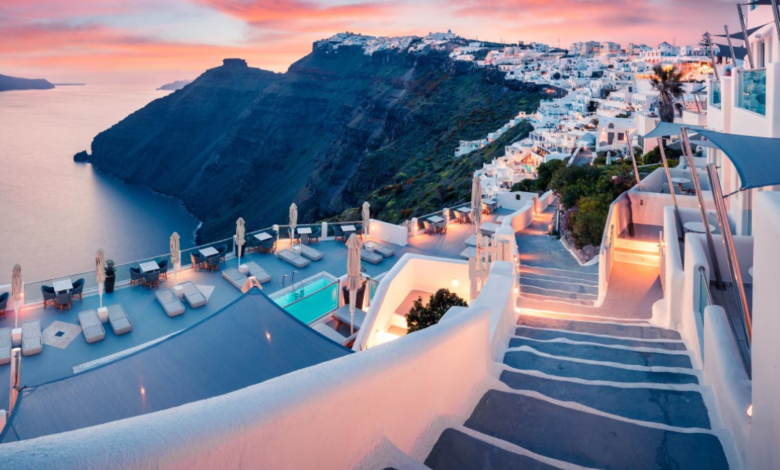
Santorini is famous for its whitewashed buildings, blue-domed churches and dramatic volcanic cliffs overlooking the Aegean Sea. Oia and Fira are among its best-known villages, offering spectacular caldera views, attractive shops and restaurants with scenic terraces. Visitors can explore volcanic beaches, discover local wineries and take boat trips around the island’s coastline.
For couples and honeymooners, Santorini provides a romantic atmosphere and memorable sunset experiences. However, accommodation and dining can be expensive during peak summer, so planning ahead is worthwhile. Exploring early in the morning, visiting quieter villages and comparing accommodation options can help visitors enjoy the island more comfortably. Santorini is ideal for travellers who appreciate spectacular scenery and distinctive Mediterranean experiences.
Crete: Beaches, History and Family Adventures

Crete is Greece’s largest island and offers a remarkable combination of beautiful beaches, mountainous landscapes, historic sites and traditional villages. Travellers can explore the Palace of Knossos, wander through Chania’s Venetian harbour and admire the scenery around Balos Lagoon and Elafonissi Beach. The island also offers opportunities for hiking, swimming, boat excursions and discovering local food traditions.
Families and travellers planning longer stays will appreciate Crete’s extensive choice of accommodation, restaurants and activities. Because the island is large, visiting several regions can involve considerable driving, making accommodation location an important consideration. Hiring a car provides flexibility for exploring remote beaches and inland villages, while organised excursions offer convenient access to popular attractions.
Mykonos: Nightlife and Stylish Beach Escapes
Mykonos is widely recognised for its lively nightlife, stylish beach clubs and picturesque Cycladic architecture. Mykonos Town features narrow whitewashed streets, boutique shops and famous windmills, while Little Venice offers waterfront scenery and attractive places to enjoy an evening meal. During summer, visitors can experience lively bars, fashionable restaurants and memorable days beside the sea.
Despite its reputation for nightlife, Mykonos also offers opportunities for swimming, sightseeing and peaceful moments away from its busiest resorts. Beaches such as Ornos provide alternatives to some of the livelier coastal locations. Prices can be high during summer, particularly for accommodation and dining, so comparing options and booking early can help travellers plan a more comfortable holiday.
Corfu: Green Landscapes and Historic Charm
Corfu stands out for its lush hills, olive groves, scenic bays and distinctive architectural heritage. Corfu Old Town is known for its historic streets and Venetian influences, creating a different atmosphere from many Cycladic destinations. Visitors can explore Paleokastritsa, enjoy coastal viewpoints and discover traditional settlements surrounded by green countryside.
Families, couples and outdoor enthusiasts can enjoy sightseeing, beach days and boat excursions in Corfu. The island offers accommodation ranging from large resorts to smaller guesthouses, allowing visitors to choose according to their preferences. Exploring beyond the main tourist areas can reveal quieter villages and beautiful landscapes, making Corfu a rewarding choice for travellers who enjoy both culture and relaxation.
Rhodes: Medieval History and Sunny Beaches
Rhodes combines historic architecture, beautiful beaches and lively holiday resorts. Its Medieval City features impressive walls, cobbled streets and historic buildings reflecting the island’s long and varied past. Visitors can also explore Lindos, where whitewashed houses surround a picturesque bay beneath the hilltop Acropolis. These attractions allow travellers to experience Greek history while enjoying a relaxing island atmosphere.
Beach lovers can spend their days swimming, taking boat trips and discovering coastal restaurants, while history enthusiasts can explore museums and archaeological landmarks. Rhodes offers a broad choice of accommodation, making it suitable for families, couples and groups of friends. Combining cultural sightseeing with time beside the sea allows visitors to experience more than just the island’s popular resorts.
Naxos: Traditional Villages and Sandy Beaches
Naxos appeals to travellers seeking sandy beaches, traditional villages and a relaxed island atmosphere. The Portara, an impressive marble doorway overlooking the sea, is one of its most recognisable landmarks. Visitors can enjoy Agios Prokopios and Plaka beaches or explore inland villages such as Halki and Apeiranthos. These settlements offer traditional architecture, local products and a glimpse into everyday island life.
Food is another reason to discover Naxos, with local cheeses, potatoes and regional specialities featuring prominently in traditional cooking. Families can enjoy the beaches, while couples and independent travellers may prefer scenic walks, village visits and leisurely meals in local tavernas. Naxos offers a pleasing balance of relaxation and exploration for visitors who want to experience a more traditional side of Greece.
Paros: Charming Harbours and Coastal Activities
Paros combines attractive villages, clear waters and a welcoming atmosphere that appeals to beach lovers and cultural explorers. Naoussa is especially popular for its picturesque harbour, waterfront restaurants and lively evening scene. Parikia offers historic attractions and convenient transport connections, while Lefkes provides a quieter inland setting with traditional houses and winding streets.
Visitors can enjoy sailing, watersports, beach visits and meals featuring fresh local ingredients. Paros suits couples, groups of friends and travellers who want a balance between social activities and peaceful coastal escapes. Summer can bring busy beaches and higher accommodation prices, so planning ahead is beneficial. Exploring smaller villages and different parts of the coastline can reveal a quieter side of the island.
Zakynthos: Dramatic Coastlines and Crystal-Clear Waters
Zakynthos, also known as Zante, is famous for its striking cliffs, turquoise waters and remarkable coastal scenery. Navagio, often called Shipwreck Beach, is one of its most recognisable sights, although access arrangements can change according to local conditions and safety restrictions. Other attractions include the Blue Caves, boat excursions and scenic coastal viewpoints.
Zakynthos offers opportunities for swimming, boat trips and discovering beautiful seaside locations. Certain coastal areas are important habitats for protected loggerhead turtles, so visitors should follow wildlife guidance and respect conservation rules. Checking current access information before arranging excursions is essential, particularly for popular beaches and marine attractions. The island is a rewarding choice for travellers who appreciate outdoor activities and dramatic natural landscapes.
Milos: Unusual Beaches and Volcanic Scenery
Milos is known for its volcanic landscape, colourful rock formations and beaches that look different from those found on many other Greek islands. Sarakiniko is particularly striking, with smooth white rocks creating a lunar appearance beside the sea. Kleftiko features impressive rock formations and sea caves, while Klima is a charming fishing village recognised for its colourful waterfront buildings.
Visitors can discover the coastline on boat trips, explore traditional settlements and enjoy the island’s relaxed atmosphere. Some beaches and coastal attractions are easier to reach by boat or suitable vehicles, so transport planning is useful. Milos is especially appealing to couples, photographers and nature lovers seeking distinctive landscapes and a quieter alternative to the busiest holiday destinations.
Kefalonia: Scenic Beaches and Peaceful Escapes
Kefalonia offers dramatic coastal scenery, mountainous landscapes and traditional villages that create a relaxed Mediterranean atmosphere. Myrtos Beach is famous for its striking setting beneath steep cliffs, while Assos attracts visitors with colourful houses and a picturesque harbour. Melissani Cave is another popular attraction, known for its remarkable waters and natural rock formations.
Travellers can spend their days swimming, exploring villages, taking boat trips or sampling local dishes and wines. Kefalonia appeals to couples, families and nature enthusiasts who prefer a slower pace than the busiest resort destinations. Hiring a car can make it easier to reach beaches and scenic viewpoints, although visitors should allow extra time for winding roads.
Best Time to Visit the Greek Islands
The best time to visit depends on your preferred weather, budget and activities. May and June can offer warm conditions, attractive landscapes and opportunities to explore before the busiest summer weeks. July and August are popular for beach holidays, lively nightlife and seasonal events, but accommodation prices and visitor numbers are often higher. Booking flights and accommodation early is sensible for peak-season travel.
September can offer a pleasant balance of warm weather and potentially fewer crowds, while early October may suit sightseeing and coastal walks. However, conditions and seasonal services vary between destinations. Before booking, compare flight availability, ferry schedules and attraction opening dates. Choosing travel dates carefully can help you balance costs, convenience and the experiences you want from your holiday.
Travel Tips for Planning Your Greek Island Holiday
Before travelling, check the latest UK government travel advice, passport requirements and entry rules relevant to your circumstances. Arrange suitable travel insurance and keep copies of important booking details. During summer, pack sun protection, lightweight clothing, comfortable walking shoes and reusable water bottles. Visitors should also follow local advice before swimming at unfamiliar beaches or joining boat excursions.
Advance planning can make a significant difference during the busiest months. Reserve accommodation and popular activities early, particularly in destinations with limited availability. If you intend to visit several islands, check ferry schedules carefully and allow enough time between connections. Respect local customs, avoid leaving rubbish at beaches and follow wildlife protection rules to help preserve the natural landscapes.
Conclusion:
The Top 10 Best Greek Islands provide an impressive range of experiences, from Santorini’s romantic sunsets and Mykonos’ lively nightlife to Crete’s historic attractions and Kefalonia’s scenic coastline. Naxos and Paros offer a mixture of beaches and traditional villages, while Corfu, Rhodes, Zakynthos and Milos provide distinctive combinations of scenery, culture and outdoor activities. The right destination depends on your interests, budget and preferred holiday atmosphere.
When planning your 2026 getaway, consider your travel dates, accommodation preferences and the time available. A focused stay on one island can be relaxing, while combining two nearby destinations may add variety if transport connections are convenient. Research current travel arrangements, respect local customs and leave room for spontaneous discoveries. With thoughtful planning, your Greek island holiday can become an unforgettable experience filled with beautiful landscapes, delicious food and memorable moments.
Frequently Asked Questions
What are the Top 10 Best Greek Islands to visit in 2026?
Santorini, Crete, Mykonos, Corfu, Rhodes, Naxos, Paros, Zakynthos, Milos and Kefalonia are ten excellent options, each offering distinctive attractions and holiday experiences.
Which Greek island is the most beautiful?
Santorini is famous for its caldera views, while Milos, Kefalonia and Crete offer dramatic coastlines, unusual beaches and impressive natural scenery.
Which Greek island is best for families?
Crete, Corfu, Rhodes and Naxos offer a variety of beaches, accommodation choices and activities that can suit families with different interests.
Which Greek island is best for nightlife?
Mykonos is particularly well known for beach clubs, bars, restaurants and lively summer entertainment.
What is the best month to visit the Greek islands?
May, June and September can provide a good balance of pleasant weather and visitor numbers, although conditions vary between islands.
Can you visit several Greek islands in one holiday?
Yes, many islands are connected by ferry, but checking current routes and allowing enough time for transfers is important.
Are the Greek islands expensive to visit?
Costs depend on the island, season, accommodation and activities, so comparing travel dates and booking options can help you manage your budget.
Also Read: nandos menu kids


